
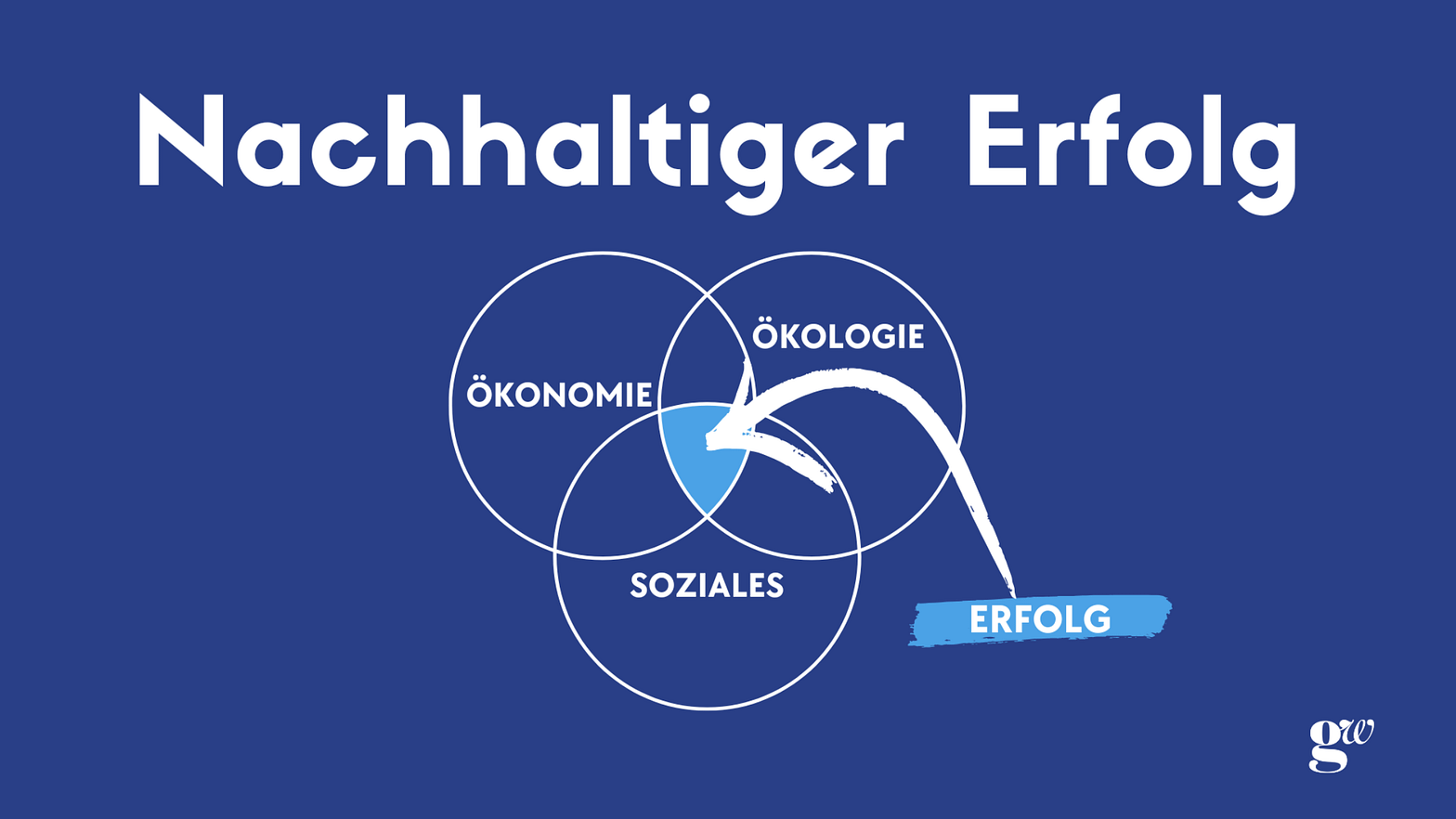
Sustainability is a core business philosophy, not a short-term trend. It is based on the pillars of economy, ecology, and social responsibility. Companies should operate in a resource-efficient manner, incorporate environmentally friendly practices, and create a supportive work environment. Continuous development and employee retention are crucial to long-term, sustainable business success.
Category archives: Sustainable leadership
Valuable improvements through a healthy error culture.

Mistakes are often viewed negatively, especially in German-speaking countries, which leads to insecurity and a loss of motivation among employees. A healthy culture of error allows mistakes to be viewed as learning opportunities, fosters understanding and teamwork, and helps optimize processes. Empathetic communication is crucial for positive change.
Sustainable stability through social leadership
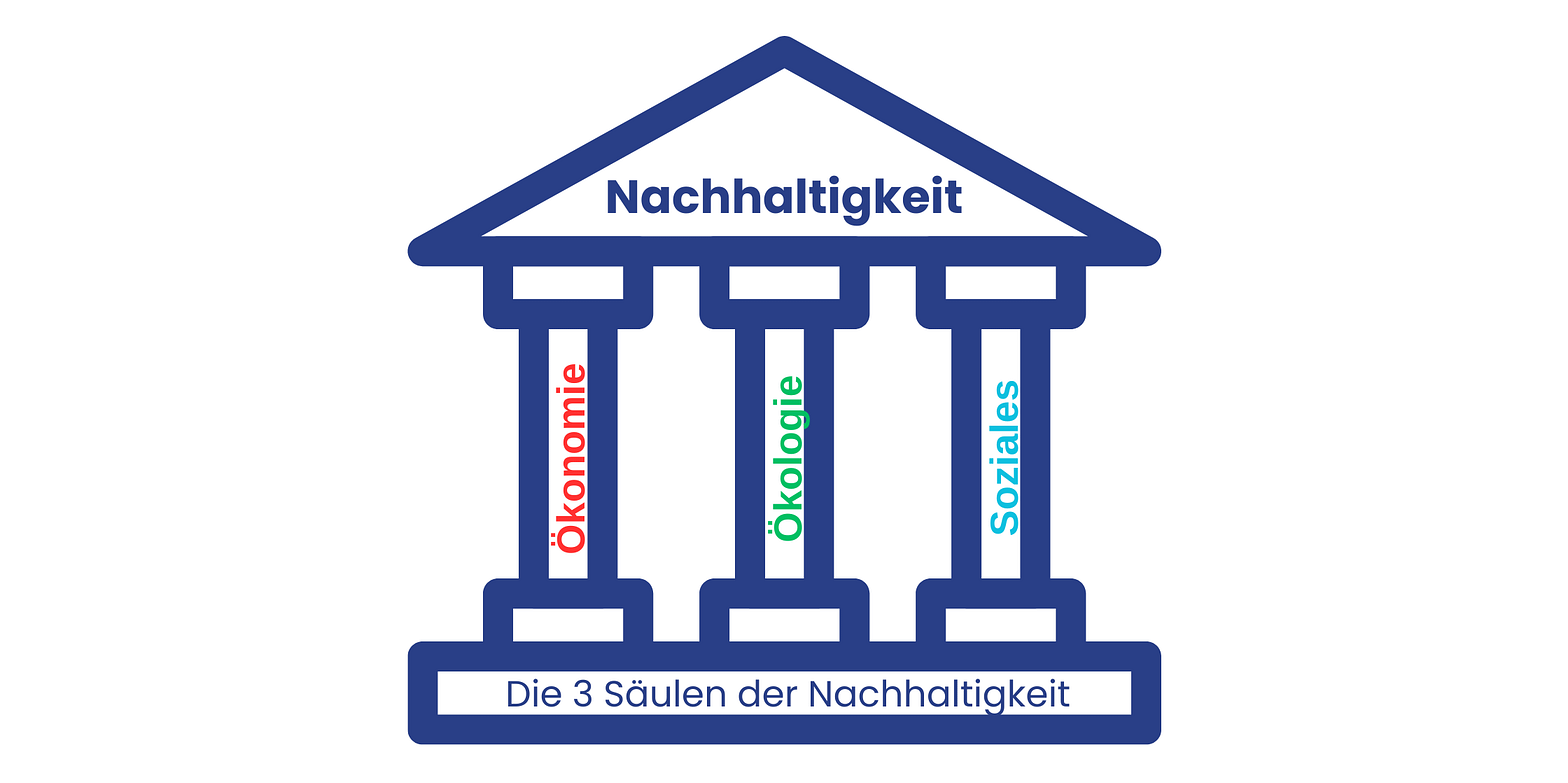
Sustainability is crucial to the future of businesses and encompasses the three pillars of ecology, economy, and social responsibility. Leaders should take on environmental responsibility, promote economic stability, and foster a positive corporate culture. Coaching can help develop empathetic leadership skills and improve team dynamics, leading to sustainable success.
6 Factors for Successful Business Transformation

Transformation is an inevitable, ongoing process that helps companies adapt to technological advancements and changing customer needs. Successful change requires proactive action, clear strategies, and the involvement of all employees. Through a positive corporate culture and structured management, transformation can be leveraged as an opportunity for growth and innovation.
Being respectful in stressful times

In stressful times, mutual respect is crucial for team cohesion. Appreciation and active listening foster a positive work environment. Constructive feedback and transparency are essential for overcoming challenges together. Small gestures of recognition can have a major impact on employee motivation.
The most stressful time: successfully mastering Christmas and New Year's Eve

The holiday season and the turn of the year present unique challenges for the hotel and restaurant industry, characterized by long hours and stressed-out guests. Managers can support their employees by fostering open communication, scheduling days off, and showing appreciation. This helps manage stress and create positive guest experiences.
Reflect for more efficient work, for you and your team.

Systemic coaching offers three key questions for effective reflection: past, present, and future. These promote clarity, efficient decision-making, and continuous improvement. Team reflection creates space for development and motivation. Regular reflection is crucial for long-term success in leadership. This fosters a positive work environment.
Being empathetic is an essential leadership skill.

Empathy is a crucial leadership skill that strengthens trust and team dynamics. It enables leaders to recognize the needs of their employees and actively support their development. Through empathetic coaching, leaders can resolve conflicts constructively and create a positive work environment, which ultimately promotes the company’s success.
Feedback culture: how and for what purpose?

Eine gesunde Feedbackkultur fördert offenes und ehrliches Kommunizieren, was für persönliches und berufliches Wachstum entscheidend ist. Feedback sollte konkret und wertschätzend gegeben sowie konstruktiv angenommen werden. Eine offene Feedbackkultur stärkt Vertrauen und Teamgeist. Übung verbessert Fähigkeiten im Geben und Empfangen von Feedback, was zur Weiterentwicklung beiträgt.
Being authentic as a manager.

The word “authentic” conveys reliability and truthfulness. Four criteria are key: self-awareness, honesty, consistency, and sincerity. For leaders, this means being human, providing constructive feedback, communicating transparently, and building trust. Generation Z expects leaders to be authentic and to present themselves without pretense.