
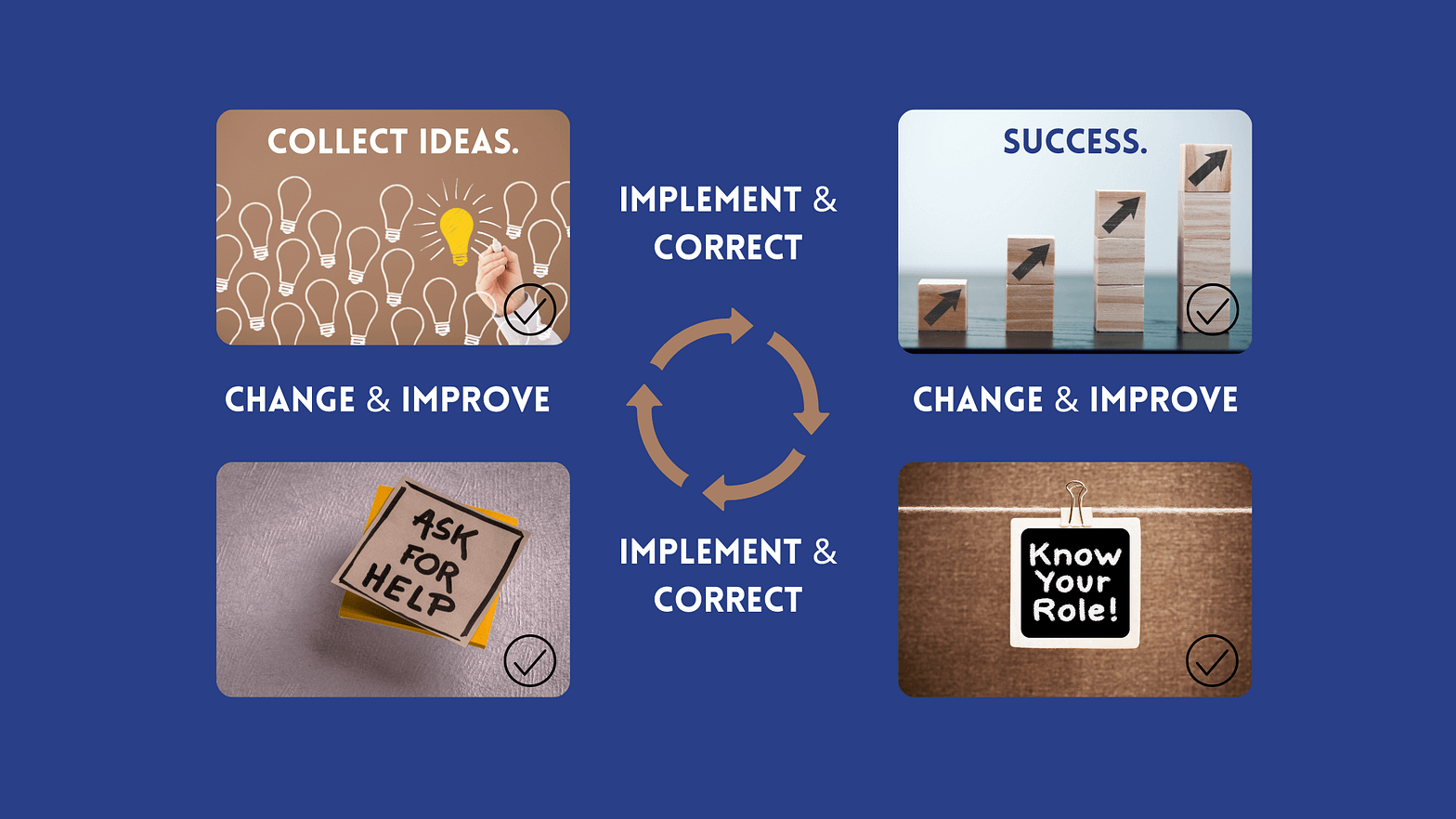
Change within a company requires clear roles, communication, and support. Successful transformation is a process-oriented approach that incorporates employees’ ideas and is based on reflection. Progress should be made visible to strengthen employee retention and teamwork. A positive work environment is created when leadership uses change as an opportunity.
Keyword archive:Employee development
Brainstorming as a team: Seeing change as an opportunity

The goldWERT series “Seeing Change as an Opportunity” highlights the importance of ideas generated collaboratively within a team. Successful idea generation requires psychological safety, clarity, and structured facilitation. Through targeted questions and the assignment of roles, valuable ideas can be developed and prioritized. Change is a continuous process that requires deliberate shaping.
Strengthening team culture: Accepting and offering help

Seeking help is a sign of strength and promotes open dialogue within the team. A supportive team culture in which members express their uncertainties is crucial. The continuous improvement process requires regular reflection and constructive feedback. Integrating help into everyday work strengthens teamwork, leading to better solutions and sustainable development.
Role distribution within the team: advantages for motivation and flexibility

A clear division of roles within teams promotes efficiency, motivation, and cooperation. Each team member knows their tasks and responsibilities, which minimizes misunderstandings and avoids duplication of work. The structure enables a smooth workflow and increases satisfaction. Regular feedback and flexibility are crucial for the successful implementation of roles within the team.
Appreciation and communication in hectic times

A Guide for Managers in the Hospitality Industry Does this sound familiar? Even before the meeting starts, you find yourself glancing at the clock and wondering how you’re going to juggle your next urgent appointments, meetings, and deadlines. The pressure is often particularly high during the hectic pre-Christmas season. Long hours, packed restaurants, stressed-out guests –Continue reading“Appreciation and Communication in Hectic Times”
Thinking sustainability holistically within the company.
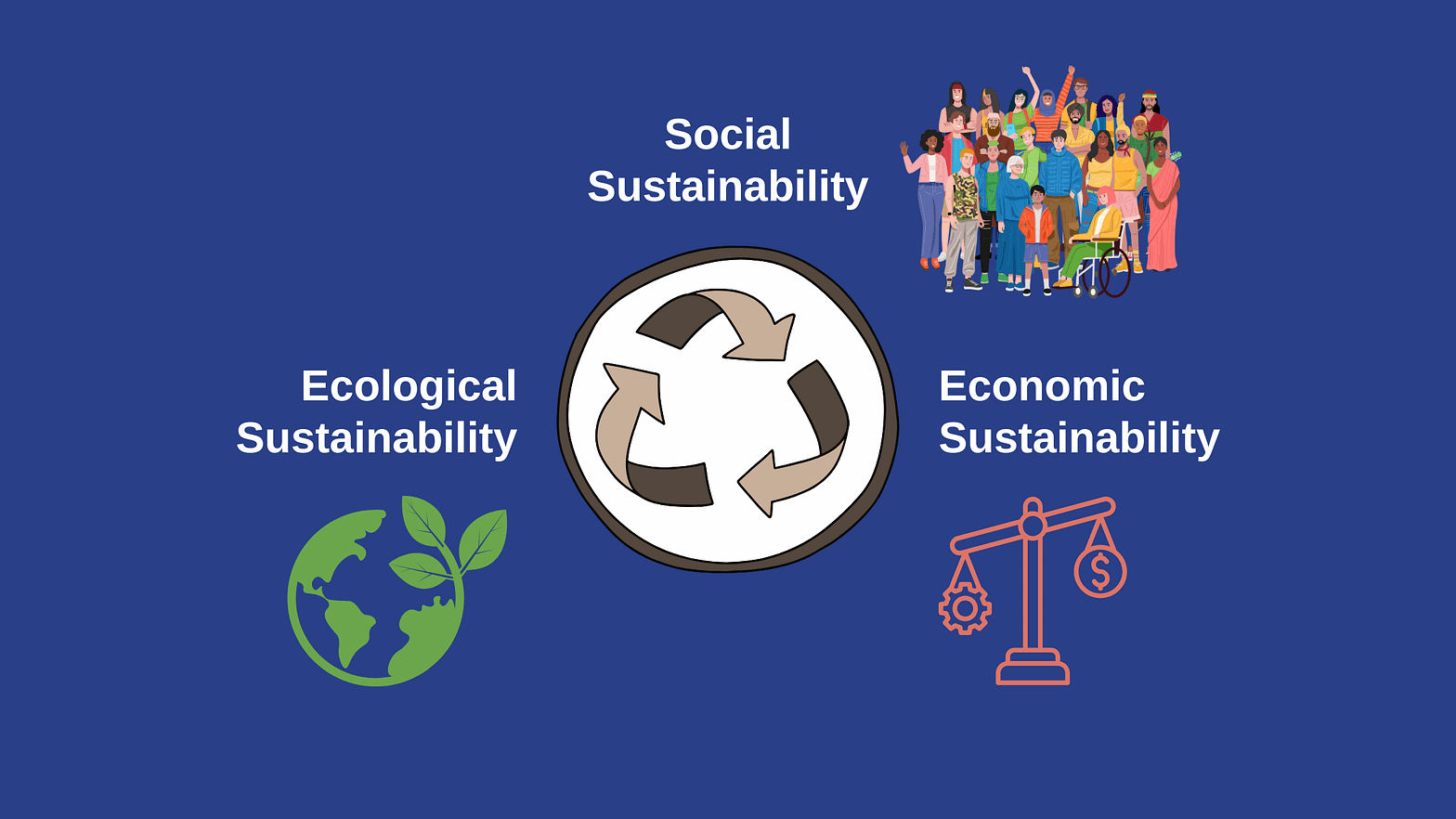
Sustainability is crucial for businesses and encompasses the three pillars of economy, ecology, and social responsibility. Executives should set clear sustainability goals, involve employees, and invest in green technologies. A sustainable company promotes innovation, efficiency, and employee well-being, which ensures long-term business success.
The advantages of reflecting together as a team.

Reflecting together as a team is crucial for improving collaboration, building trust, and fostering open communication. It allows team members to share experiences and set new goals. Regular reflection sessions are important for recognizing successes and promoting continuous growth, which ultimately boosts team motivation.
Keeping employees longer, but how?

Engaged employees are crucial to a company’s success. To reduce employee turnover, companies should invest in effective onboarding, regular feedback, professional development, and team-building activities. Involving employees in decision-making and fostering a culture of transparent conflict resolution strengthen employee loyalty. A commitment to a positive corporate culture promotes long-term success.
Sustainable success in the company
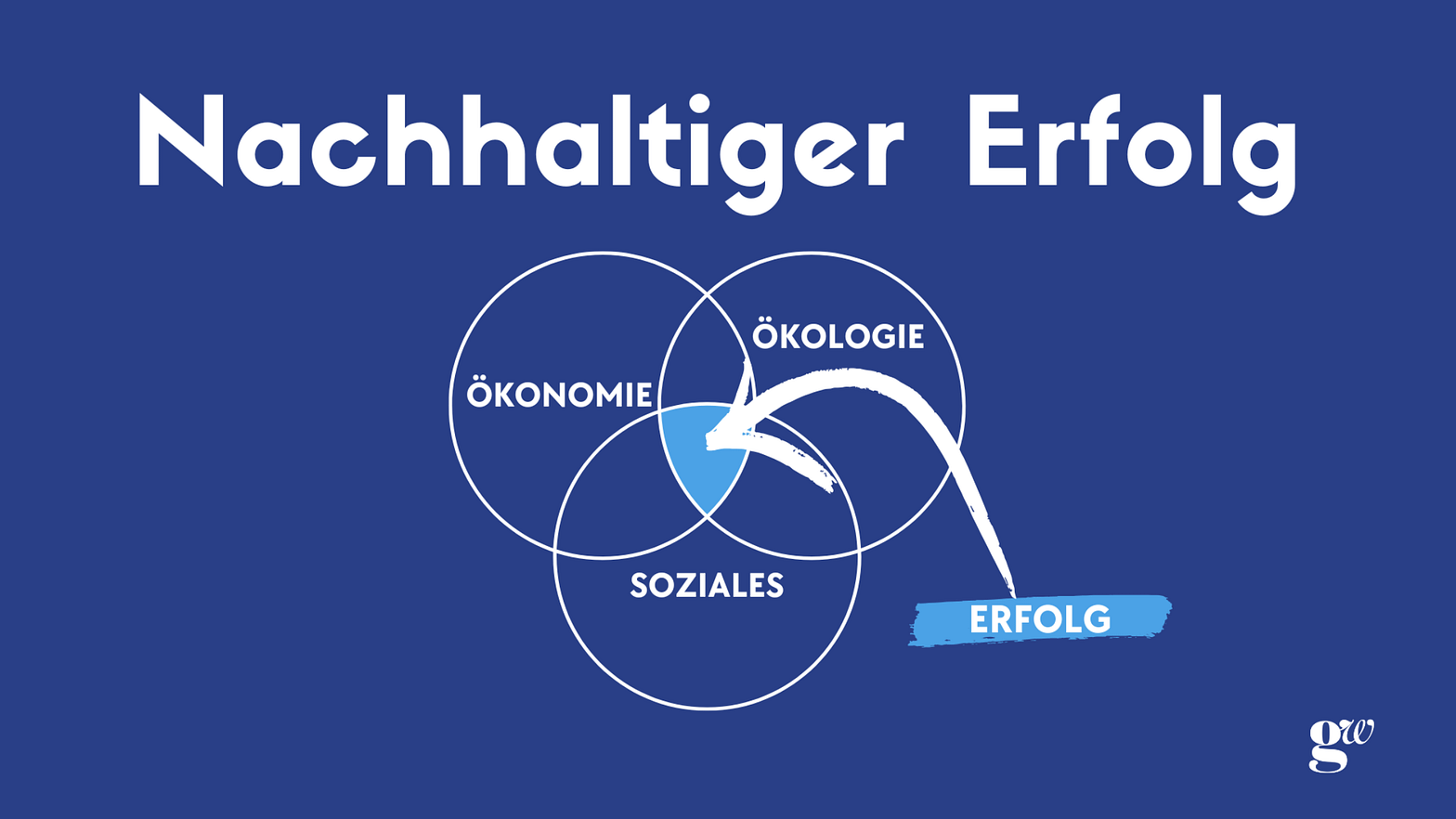
Sustainability is a core business philosophy, not a short-term trend. It is based on the pillars of economy, ecology, and social responsibility. Companies should operate in a resource-efficient manner, incorporate environmentally friendly practices, and create a supportive work environment. Continuous development and employee retention are crucial to long-term, sustainable business success.
Valuable improvements through a healthy error culture.

Mistakes are often viewed negatively, especially in German-speaking countries, which leads to insecurity and a loss of motivation among employees. A healthy culture of error allows mistakes to be viewed as learning opportunities, fosters understanding and teamwork, and helps optimize processes. Empathetic communication is crucial for positive change.