
Sustainability is a cornerstone of our future. In today's business world, where everything is constantly changing, sustainable leadership is becoming an indispensable skill.
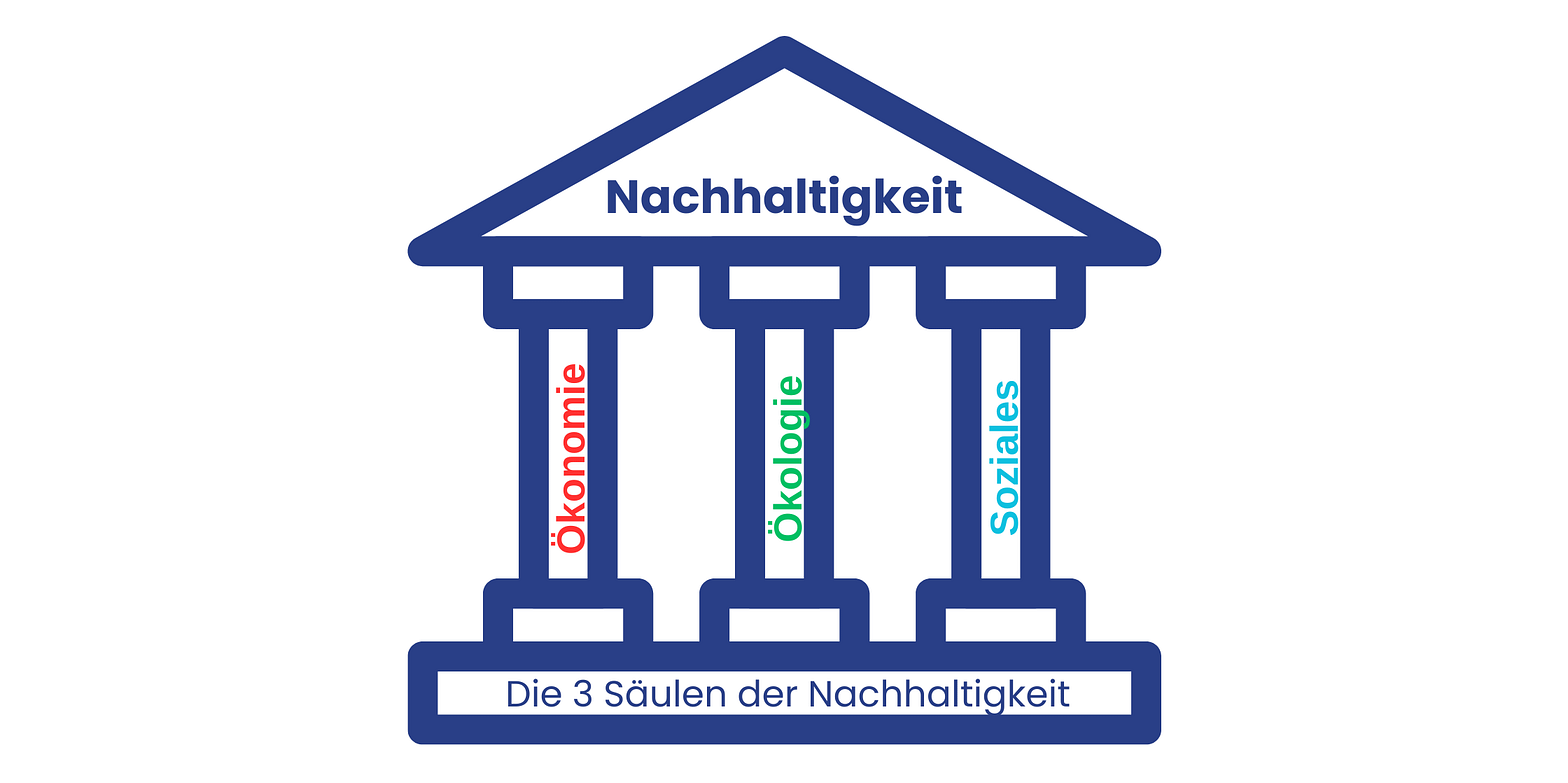
Sustainability model according to Stoll
Michael Stoll's 3-pillar model - consisting of ecology, economy and social issues - provides a valuable framework for anchoring sustainable practices in the company. But what does this mean in concrete terms for managers?
1. ecology - responsibility for our environment
Environmental sustainability means protecting the environment and using resources responsibly. For companies, this means implementing environmentally friendly practices: from reducing energy consumption to promoting sustainable procurement and environmentally conscious workplaces. As a manager, it's your job to raise awareness of these issues and build a team committed to environmental responsibility.
2. economy - economic success in harmony with nature
Economic sustainability aims to ensure long-term financial stability without harming the environment. This means developing innovative business models that are both profitable and environmentally friendly. Employee development plays a central role here. Well-trained and motivated employees are crucial for economic success. Through targeted training and development opportunities, you can ensure that your team not only has the skills to be successful, but also values that are in line with sustainable action.
3. social issues - focusing on people
The third pillar of sustainability is the least developed. But as a manager, it should be clear: People are at the heart of every company. Sustainable leadership means creating a corporate culture that promotes trust, appreciation and diversity. A positive working environment not only contributes to employee satisfaction, but also to the performance and innovative strength of the entire team.
Tips for sustainable leadership
Regular feedback, open communication and the promotion of a positive error culture are crucial to creating an atmosphere in which employees feel comfortable and can develop their full potential. Team leadership and team development are essential tasks that help us to achieve these goals.
The role of coaching
Leadership coaching can be a valuable support in developing empathetic and sustainable leadership qualities. In coaching sessions, you learn to actively listen, understand the needs of your employees and give constructive feedback. These skills are not only important for personal development, but also for the long-term success of the company. Through empathic leadership, we can better resolve conflicts and positively influence team dynamics.
Output – Sustainable Stability Through Social Leadership
Sustainable leadership is a challenge that also offers many opportunities. By integrating the three pillars of ecology, economy and social responsibility into your management strategies, you not only create a sustainable company, but also make a valuable contribution to a better world.
Invest in the development of your leadership skills and those of your employees. Let's shape your path to a sustainable future together. Sustainable leadership for your team, your company and our environment.
If you have any questions or suggestions on the topic of sustainable leadership, I look forward to hearing from you. Let's work on your positive corporate culture.
Sincerely,
Kathrin Fuchs
Executive Coach _ goldWERT _ events & coaching